


Blog
Structural Engineering & Metal Fabrication: The Backbone of a Reliable Commercial Construction Company

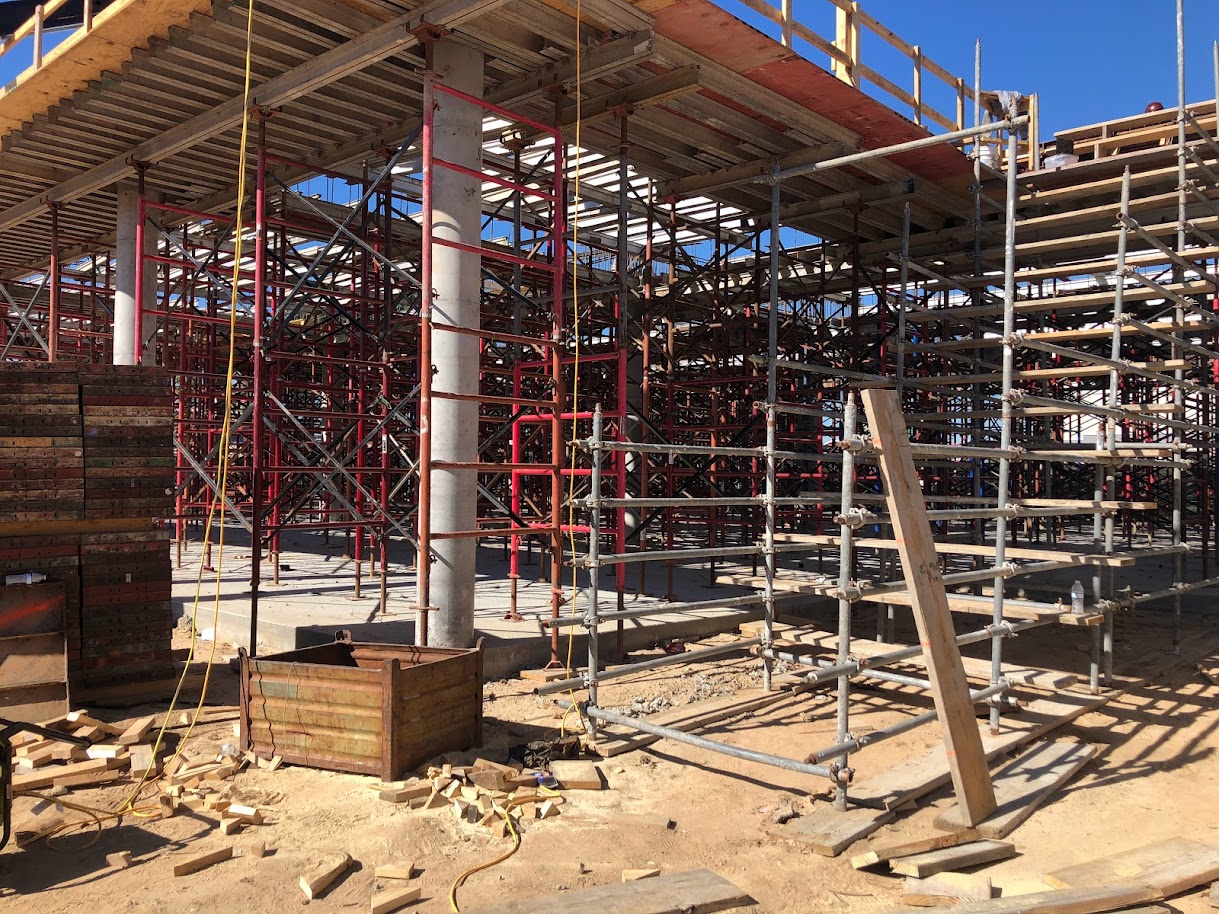
Every great building starts long before the first wall goes up. It starts with the engineering that makes the structure safe, the metalwork that makes it durable, and the construction team that brings it all together. That’s why structural engineering & metal fabrication capabilities matter so much when choosing a commercial construction company — they’re the difference between a project that’s merely finished and one that’s built to last.
Why Structural Engineering & Metal Fabrication Belong Together
Too often, structural engineering, metal fabrication, and construction are treated as separate puzzle pieces handled by separate vendors. That approach invites delays, miscommunication, and costly change orders. When structural engineering & metal fabrication are managed under one roof, design intent translates directly into precision-built components — sturdy framing, code-compliant load paths, and clean, exact metalwork that fits the project the first time.
This integration matters most on complex builds: industrial facilities, large-scale commercial complexes, and custom structures that demand both architectural vision and engineering rigor. A structural engineer who understands fabrication constraints designs smarter. A fabricator who understands the engineering intent builds tighter. The result is a structure that performs exactly as designed, with fewer surprises during construction.
What a Strong Commercial Construction Company Brings to the Table
A capable commercial construction company does more than pour concrete and frame walls. It coordinates design, structural steel fabrication, sheet metal work, and construction scheduling into a single, accountable process. That means one point of contact instead of a dozen, one timeline instead of competing schedules, and one team responsible for quality from blueprint to final installation.
This kind of integrated model eliminates the common headaches of commercial construction: vendor handoffs that introduce errors, mismatched expectations between designers and builders, and the finger-pointing that happens when something goes wrong. Instead, owners get a streamlined process built on honest budgeting, realistic timelines, and craftsmanship that holds up under real-world conditions — whether that’s a retail buildout, a warehouse, or a ground-up commercial complex.
The Role of Precision Metal Fabrication
Sheet metal and structural steel aren’t just functional necessities — they’re where durability and finish quality really show. Precision-engineered metal fabrication ensures industrial strength where it’s needed and clean, professional finishes where appearance matters. From structural steel framing that forms the skeleton of a building to custom sheet metal components for specialized industrial applications, fabrication quality directly affects how long a structure performs without issues.
A commercial construction company with in-house fabrication capabilities can also adapt faster. When engineering details shift mid-project — and on complex commercial builds, they often do — having fabrication expertise in-house means changes get resolved quickly rather than waiting on an outside vendor’s schedule.
Choosing the Right Partner
When evaluating a commercial construction company, look beyond the portfolio photos. Ask how structural engineering, metal fabrication, and construction execution actually work together on their projects. Do they operate as one coordinated team, or as separate firms that happen to share a job site? The answer reveals a lot about how smoothly your project will run — and how well the finished structure will perform for decades to come.
Structural engineering & metal fabrication, paired with experienced commercial construction, isn’t just a service offering. It’s the foundation of construction done right.
